Space Simulation Systems
We design, build, and supply a wide range of thermal vacuum chambers and space simulation systems that meet the diverse needs of space tolerance testing protocols. Our chamber solutions are available in various sizes, ranging from 0.3 m (1 ft) to 6 m (20 ft) in diameter, and can be customised to any required length. Both cylindrical and cubic designs are offered, with chamber materials available in stainless steel or aluminium. Our systems provide a broad temperature range, from -180°C to +150°C, ensuring they meet rigorous testing requirements across several key areas.
These specialised systems ensure that our clients meet the rigorous standards necessary for space missions, with customised testing solutions for each unique application. Our experienced teams assist with planning, design, installation, and ongoing support to meet every scientific and engineering objective. Our system solutions can be categorised into multiple key areas, including:
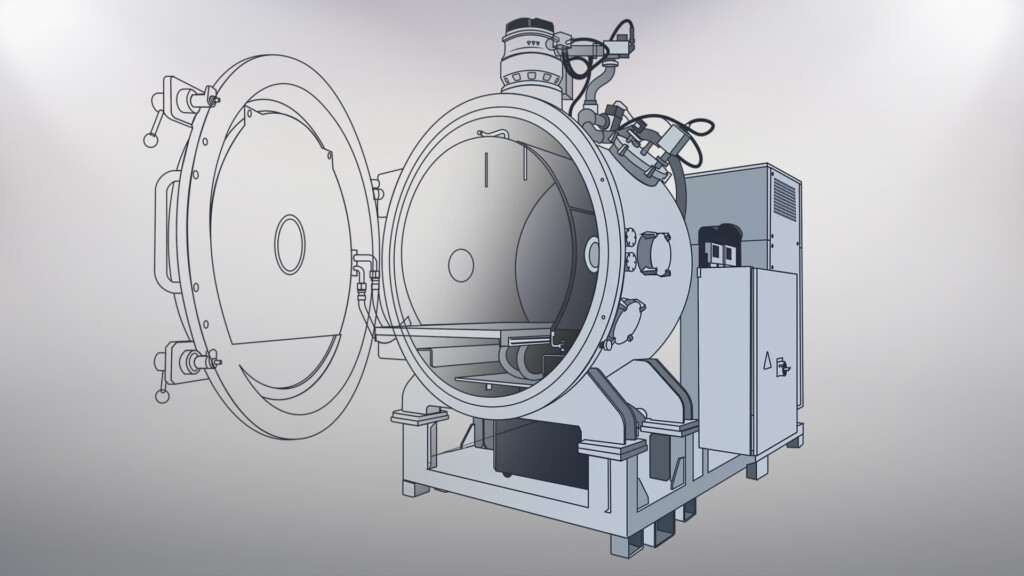 Thermal Vacuum (TVAC) Space Simulation SystemsThese systems simulate the extreme conditions of space by creating a high vacuum and subjecting test objects to extreme temperatures. TVAC systems are commonly used to test the durability of satellites and spacecraft components. For example, small CubeSats or instruments intended for low-earth orbit are tested to ensure their components can withstand the vacuum and fluctuating temperatures of space. Compliance with NASA GSFC-STD-7000 (General Environmental Verification Standard) 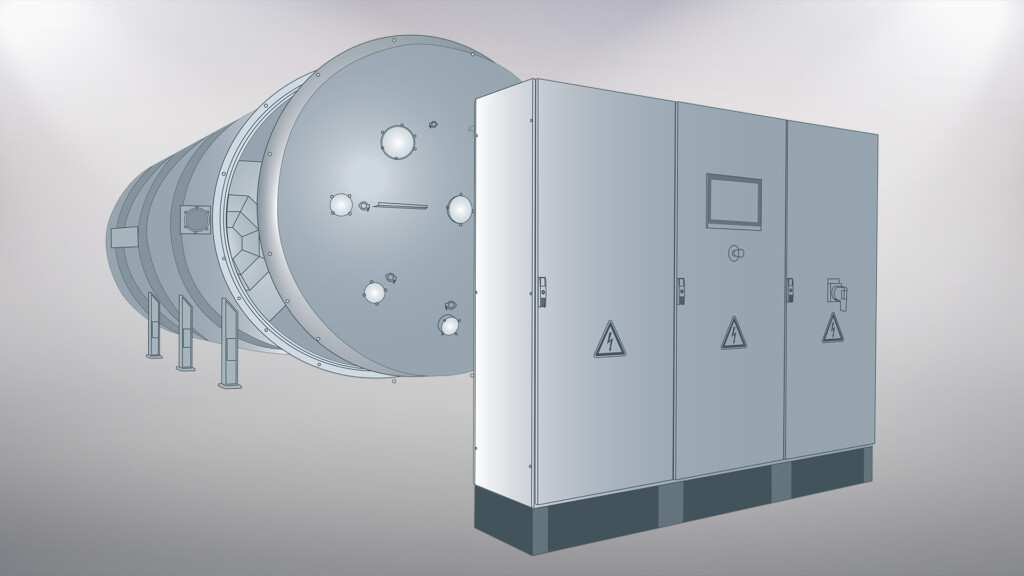 Thruster Testing SystemsThese systems are designed to test the performance and efficiency of spacecraft propulsion systems such as ion thrusters or chemical propulsion engines. Thruster testing chambers allow engineers to evaluate how these propulsion systems function in space-like conditions, such as vacuum environments. Testing helps determine the thruster’s behaviour in real-world conditions, including how exhaust behaves in space and whether the thruster’s performance meets mission requirements. 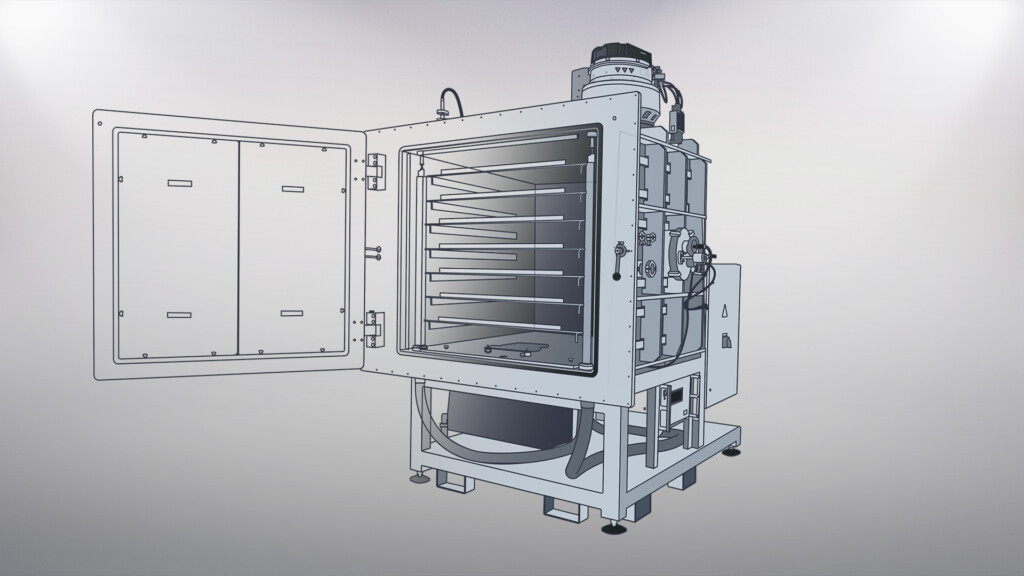 Bakeout / Degassing SystemsThese systems are used to remove volatile compounds from materials and components before they are launched into space. In space, materials can release trapped gases, which can interfere with delicate instruments or contaminate sensitive surfaces. A bake-out or degassing chamber heats the components under vacuum to release and remove these gases, ensuring that space hardware remains stable and clean during operation. Compliance with NASA MSFC Technical Standard MSFC-SPEC-1238 (Thermal Vacuum Bakeout Specification for Contamination Sensitive Hardware) 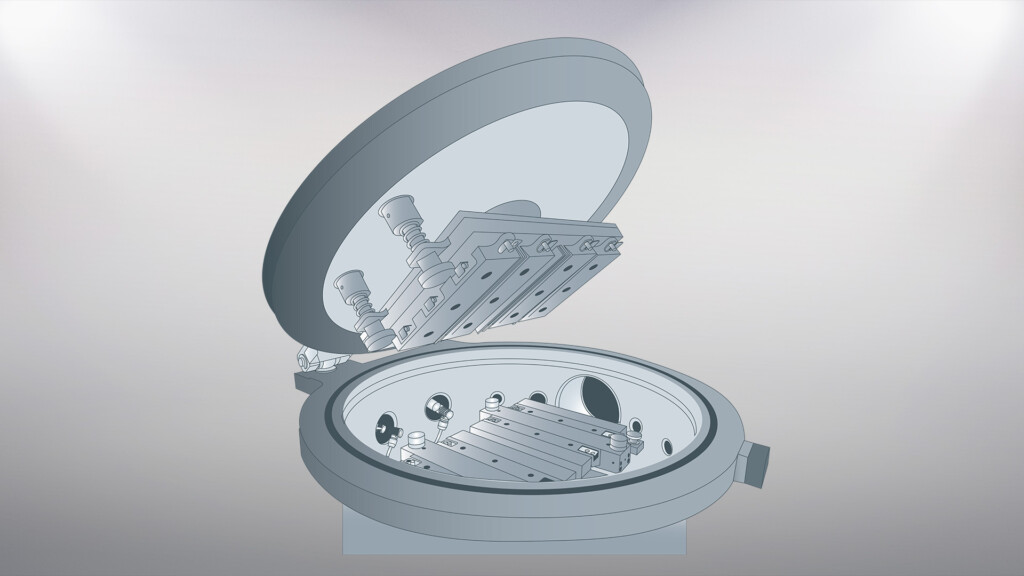 Total Mass Loss (TML) Testing SystemsTML testing chambers are specifically designed to measure the total mass loss and outgassing of materials when exposed to vacuum and elevated temperatures. This is crucial for ensuring that spacecraft materials do not lose significant mass or emit harmful gases during their time in space. For example, materials used in spacecraft structures or electronics are tested for TML to ensure long-term reliability. Compliance with ASTM E595-15 (Standard Test Method for Total Mass Loss and Collected Volatile Condensable Materials from Outgassing in a Vacuum Environment) |
