Space sectors that use our vacuum technology
 Public SectorGovernments and national space programs such as NASA, ESA, and ISRO utilise our vacuum technology to rigorously test spacecraft and components, ensuring reliability and safety for manned and unmanned missions.  Private SectorCompanies like SpaceX, Blue Origin, and Rocket Lab rely on our vacuum systems to validate the performance of their launch vehicles and satellites, pushing the boundaries of commercial space exploration and satellite deployment. 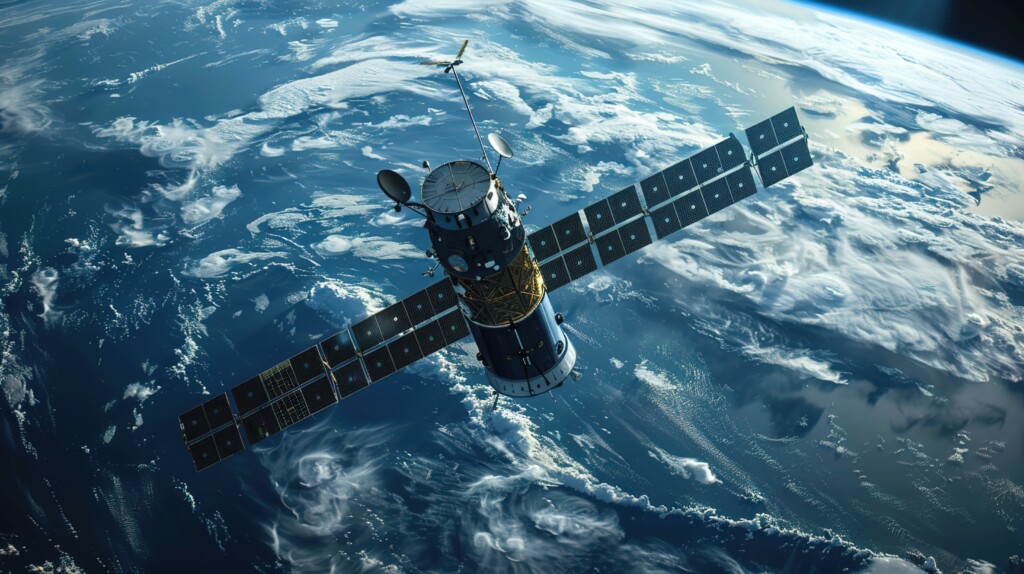 Satellite and Vehicle ManufacturersOriginal Equipment Manufacturers (OEMs) such as Boeing, Lockheed Martin, and Northrop Grumman use our technology for testing during production and to qualify satellites and space vehicles, ensuring they meet stringent and high-quality space-readiness criteria.  Scientific Research InstitutionsUniversities and research organisations employ our vacuum chambers to conduct experiments in simulated space conditions, advancing knowledge in astrophysics, materials science, and other space-related disciplines. 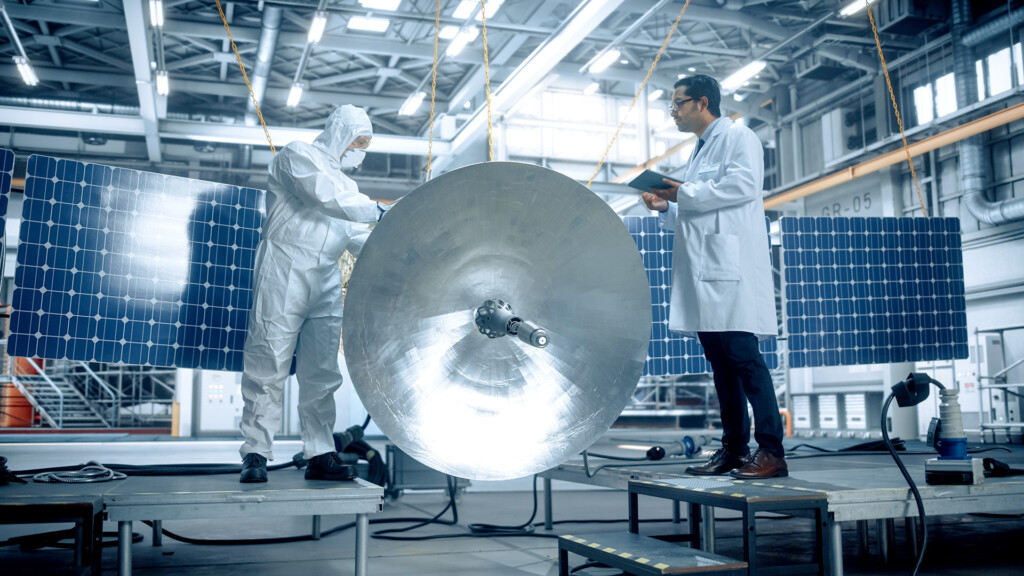 Defence SectorMilitary organisations and defence contractors use our technology to test space-based defence systems and components, ensuring operational effectiveness in the harsh environment of space.  New Space StartupsEmerging space companies developing innovative space technologies and services utilise our vacuum solutions to accelerate product development and market entry, bridging the gap between concept and launch. 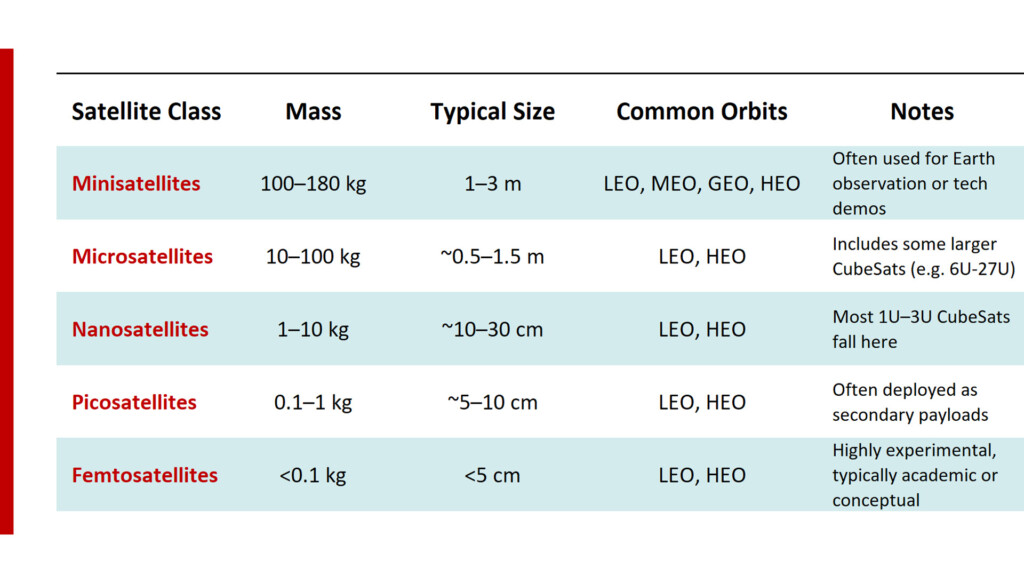 Aerospace Testing FacilitiesIndependent testing laboratories and certification bodies depend on our vacuum systems to provide third-party validation and certification of aerospace components, ensuring compliance with industry standards. |
The Expanding Frontier of SmallSat Innovation
The small satellite (SmallSat) market is undergoing rapid growth, driven by breakthroughs in component miniaturization, propulsion, and onboard processing. These advancements have dramatically increased the performance capabilities of compact spacecraft, with some picosatellites now no larger than a matchbox. At the same time, launch costs have dropped by more than 90% over the past two decades, opening the door to more frequent, affordable missions for commercial, academic, and government users alike.
A major catalyst in this evolution was the introduction of the CubeSat standard—a 10 cm³ unit (1U) platform originally developed for educational purposes. Since then, CubeSats have expanded far beyond their original 1U form factor. Today, configurations range from as small as 0.25U to as large as 27U, offering dramatically more power, volume, and functionality while still maintaining a compact, cost-effective profile. These scalable platforms now support a wide range of mission types, including Earth observation, telecommunications, and deep-space exploration.
For organizations developing or supporting SmallSat missions, this convergence of reduced size, cost, and complexity presents powerful new opportunities. Our vacuum solutions are engineered to support every stage of this innovation cycle—from R&D and environmental testing to in-space operation and mission assurance.
